
Depression doesn't always look like sadness. Sometimes it's the teen who stopped caring about soccer. The kid who's irritable all the time. The adult who gets through the workday and then has nothing left.
Depression is common, and it's treatable. About 4% of kids ages 3 to 17 have a current depression diagnosis, according to the CDC. You don't have to wait until it's unbearable to get support.
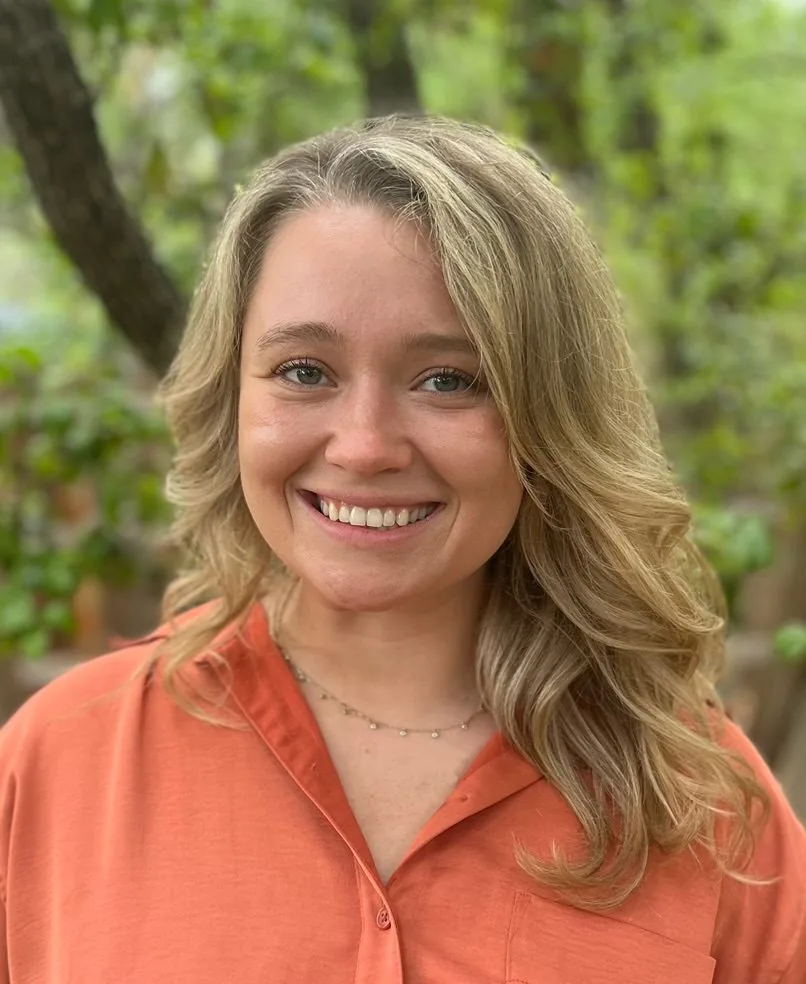
"Depression makes everyday things feel so much harder. Clients often describe it like having weights tied to their feet while someone asks them to climb a few flights of stairs. Each of those weights matters. It might be something that needs processing, healing or support through a hard moment. Together, we'll find tools to cut those weights off one at a time, so life starts to feel easier (and more enjoyable!) again. We take an integrated approach, so we can meet you where you are."
What does depression look like?
- Feeling sad, empty or numb most days
- Losing interest in things you used to enjoy
- Irritability or anger (especially in kids and teens)
- Sleeping too much or too little
- Changes in appetite
- Low energy, even after rest
- Pulling away from friends and family
- Harsh self-talk or feeling like a burden
- Feeling hopeless
- Trouble focusing at school or work
This list is for noticing patterns, not diagnosing. The intake and first few sessions are where we figure out what's going on and whether a diagnosis fits.
How does therapy help with depression?
We start small. Depression makes everything feel huge, so we break things into steps you can actually take.
We'll work on the thoughts that keep you stuck. We'll build routines that give you energy back. And we'll find what matters to you again.
We draw from CBT, DBT and ACT, and we adjust to your age, your goals and what's going on in your life. Your faith and values are welcome here too.
Depression therapy for kids, teens and adults
Kids
Kids often show depression through behavior: meltdowns, grumpiness or quitting things they used to love.
Teens
Falling grades, pulling away from friends, or big changes like heading to college.
Adults
Running on empty, losing interest, or a hard season like a loss or big life change.
For kids and teens, we keep parents involved so you know how to help at home. With your permission, we're also happy to team up with teachers and school counselors.
If you need help right now: If you or someone you love is thinking about suicide or is in danger, call or text 988 (Suicide & Crisis Lifeline) or go to your nearest emergency room. Weekly outpatient therapy isn't the right level of care during a crisis, and we'll help connect you with the support you need. See our crisis resources.
Frequently asked questions
How do I know if it's depression or just a rough patch?
If low mood, irritability or loss of interest lasts more than a couple of weeks or gets in the way of daily life, it's worth talking to someone. You don't need to be sure before reaching out.
Can anxiety and depression happen together?
Yes, and it's really common. Worry can wear you down, and feeling down can make everything feel more stressful. We work on both together. Learn more about anxiety therapy.
What's the difference between grief and depression?
Grief usually comes in waves tied to a loss, with moments of relief in between. Depression tends to feel heavier and more constant. They can overlap, and we'll help you sort out what you're feeling. Learn more about grief counseling.
Do you work with depression in children and teens?
Yes! We see kids, teens and adults, and we keep parents involved for younger clients.
Do I need medication for depression?
Not always. Some people do well with therapy alone, and some benefit from both. We don't prescribe, but we love working as a team with your doctor or psychiatrist (with your permission).
How long does depression therapy take?
It depends on you and your goals. Many people start to feel a difference within a few months. Others find longer-term support helpful.
How much does depression therapy cost?
Individual sessions are $180 and family sessions are $200. The first intake is $220. We're private pay. If you have out-of-network benefits, Mentaya files the claims for you so you can get money back.
Can I do depression therapy online?
Yes. Teens and adults can meet online anywhere in Texas. For younger kids, we decide case by case and usually recommend in person.
Rate: $180 per session (first intake $220)
Insurance-friendly: Private pay, and Mentaya files your out-of-network claims for you.
Available: Online anywhere in Texas now (younger kids case by case), in person in Cedar Park coming soon
Check your benefits free with Mentaya →
See all costs · Why we're private pay · Getting money back with Mentaya